 Canadian wines are experiencing new heights of domestic and international recognition. Much of this attention has to do with the phenomenal success of Canadian Icewine, but impressive table wine production is not limited to frozen grapes. In British Columbia, Ontario, Quebec and Nova Scotia, thriving local wine industries produce a diverse range of styles of wines using a combination of Vitis Vinifera and hybrid grapes. The volume of domestic table wine production has seen significant growth over the last decade. Between 1995 and 2002, according to the Canadian Vintners Association, table wine production in Canada increased by 33% from 56,721,492 litres to 75,861,630 litres. Just under 10% of this is labeled as VQA, but this represents a three fold increase over the same time period. The VQA (Vintners Quality Alliance) is the standard, modeled after European appellation of origin systems, used by Ontario and British Columbia to regulate the production of wine. In Canada, wine production, distribution, purchasing and sales of all alcoholic products are regulated by the individual provinces, although the federal government’s Department of Industry regulates the packing and labeling of wines and other alcohol. The unfortunate result is a fragmented industry with few national standards. Until a national standard which is fair to all the wine growing regions is created, many of the wines using the Canadian appellation will continue to be a misrepresentation of the style of wines created in the country from domestically grown grapes.
|
|
Current Feature
In the southern Blue Ridge Mountains of North Carolina and Georgia vineyards are small and few, yet the establishment of the Upper Hiwassee Highlands could bring much more.
[>] continue
Appellation Features
[>] see all Canada features (5)
Related Features
Alive & Well here
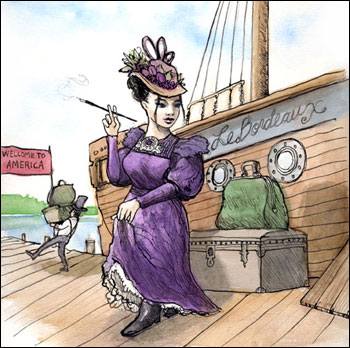
Merlot:
Madame Merlot, you’re a big gal, soft and smoky; how we love your full, curvaceous figure. But you are
[>] continue


 Bi-State Upper Hiwassee Highlands an AVA
  Borderless Bootlegging:
  Canada and Virginia: Quietly Achieving Greatness
  Canada Sparkles
  2007 All Canadian Wine Championships Documents National Trends
  Just Released: John Schreiner’s latest book, The Wines of Canada
  Remote Manton Valley New California AVA
 WAWGG Banquet Explores Washington State Terrior
 Taking Focus on Appellation