The Niagara River DVA represents one of Ontario’s ten new Niagara Peninsula sub appellations, recently announced by the VQA (Vintner’s Quality Alliance). The move represents a commitment by the VQA and its partner wineries to offer consumers the ability to differentiate products on a terroir basis. The VQA’s decision brings Canada in line with the renewed appellation consciousness in the American market, as evidenced by the almost weekly approval of new American Viticultural Areas (AVA). The Niagara River DVA has the potential to be one of the regions most recognized sub-appellations, as the select number of wineries within its boundaries includes such established and powerful wineries as Peller Estates and Inniskillin as well as the smaller but critically acclaimed Lailey Vineyards and Reif Estate. Although, one wonders if the term is likely to be used given the previously approved and larger Niagara-on-the-Lake appellation, will likely garner more widespread consumer recognition.
This long and thin appellation runs the along the Niagara River from Queenston in the south to John St in Niagara-on-the-Lake in the north. Vineyards are predominantly planted on east facing slopes overlooking the river. The best vineyards are planted close to the river, where free draining soils promote a deeper penetration of the vine.
The climatic key of the region is almost certainly the moderating influence of the river. The moderating effects are particularly crucial in the Spring and Fall as the warmer, moist air from the river reduces risk of frost. The river also moderates the climate in the summer and along with the orientation of the vineyards promotes good airflow as warm summer air is replaced with cool breezes from the river. While this moderating effect it particularly beneficial during the growing season it is less prevalent in the winter as the flow of the river slows and only vineyards in very close proximity to the river benefit from any additional warmth afforded by the body of water. The lack of moderating effects in the winter can be particularly damaging to vineyards in the southern extreme of the appellation, as those vineyards also benefit less from the moderating effects of Lake Ontario to the north.
|
|
Current Feature
In the southern Blue Ridge Mountains of North Carolina and Georgia vineyards are small and few, yet the establishment of the Upper Hiwassee Highlands could bring much more.
[>] continue
Related Features
Alive & Well here
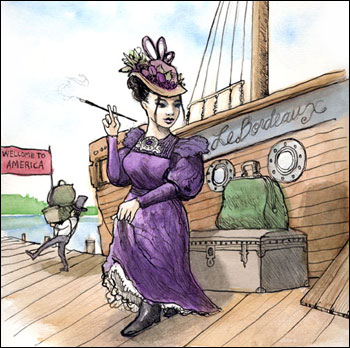
Merlot:
Madame Merlot, you’re a big gal, soft and smoky; how we love your full, curvaceous figure. But you are
[>] continue


 Bi-State Upper Hiwassee Highlands an AVA
  Remote Manton Valley New California AVA
 WAWGG Banquet Explores Washington State Terrior
 Taking Focus on Appellation
 Embracing Virginia’s Terroir
  Appellation America to Drop Paywall - Provide Open Access
 Shake Ridge Ranch - Gem of the Sierra
 Tannat, Vibrant Across the America's
 Welcome Middleburg Virginia AVA